Recipes · Christmas baking ·
Baking Elisenlebkuchen soft, moist & without flour
There are bakes you make in passing, and then there are Elisenlebkuchen. They aren't biscuits you stamp out by the trayful, but a small, round piece of Christmas resting on a wafer: a thin, glossy crust of chocolate or icing on the outside, and inside soft, moist and so full of nuts that you notice the difference from shop-bought gingerbread with the very first bite. And then there's that scent of cinnamon, clove and orange, which drifts through the whole house while they bake and lingers there until the tin is empty again.
Jump to: The ingredients · The recipe · Step by step · Keeping them moist · Variations · Giving them away
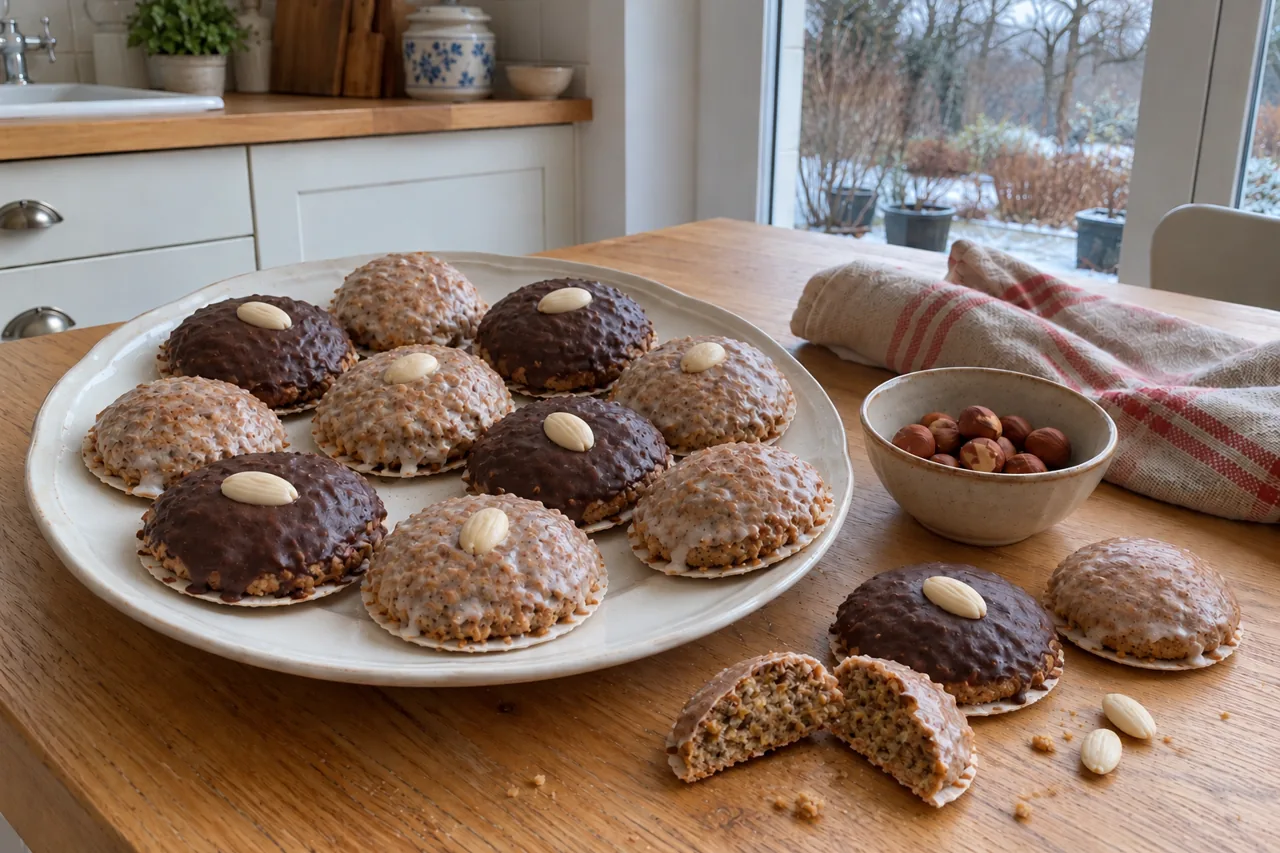
The lovely thing is that Elisenlebkuchen are far simpler than their reputation suggests. They need no flour, no dough that has to rise and no rolling out. At heart they are a nut mixture, held light and airy by whisked egg white, which you spoon onto edible wafers. And because they are made with egg whites, they sit nicely alongside Christmas biscuits (in German) that mostly call for yolks. The three whites left over from Vanillekipferl and jam-filled Spitzbuben are, admittedly, already spoken for there – they go into cinnamon stars or hazelnut macaroons (in German). For the gingerbread you'll need four egg whites – easiest from fresh eggs, or from whites you've been saving up in the freezer.
From this series
Christmas bakingrecipes for Advent
Most of the other recipes in this series are in German for now – the English versions will follow.
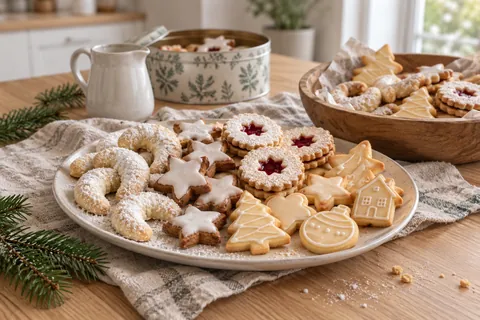
Christmas biscuits: 4 classics
Vanillekipferl, Spitzbuben, cinnamon stars and butter biscuits – with a baking plan. Read the recipe →
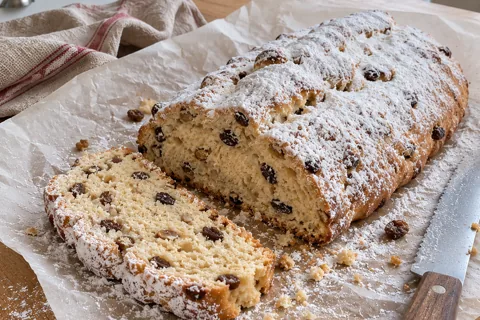
Baking quark stollen
Moist, made without yeast and without weeks of ripening. Read the recipe →
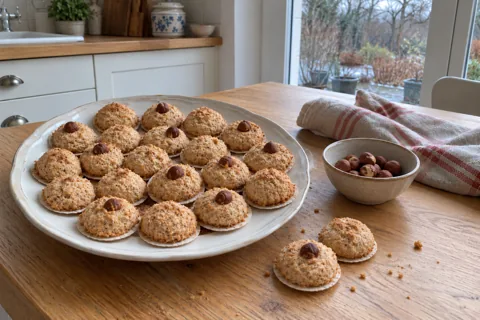
Baking hazelnut macaroons
Quick to make and perfect for leftover egg whites. Read the recipe →
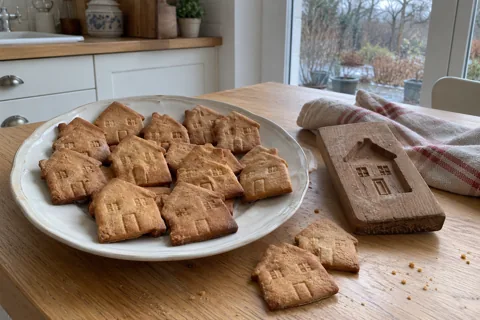
Baking spekulatius at home
Spiced and crisp – with or without a wooden mould. Read the recipe →
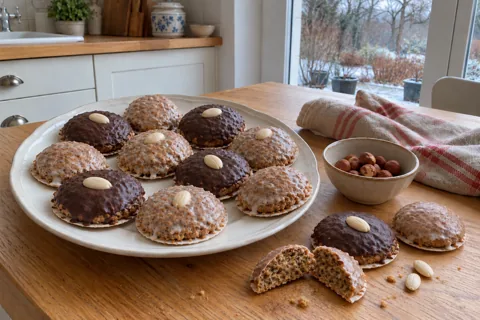
Baking Elisenlebkuchen
Soft, moist and made entirely without flour.
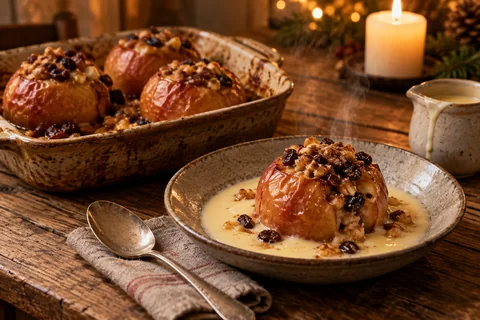
Baked apple with marzipan
Straight from the oven, with warm vanilla sauce. Read the recipe →
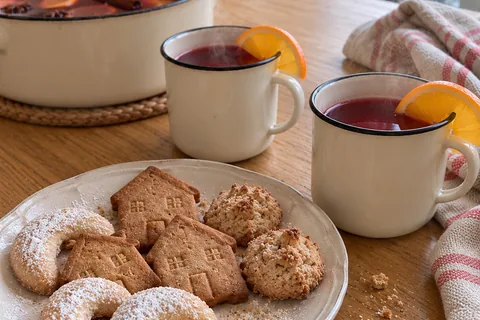
Making children's punch
Warm, fruity and entirely alcohol-free. Read the recipe →
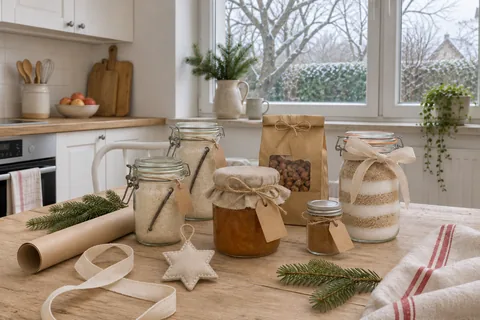
Gifts from the kitchen
Five little jars to give away. Read the recipes →
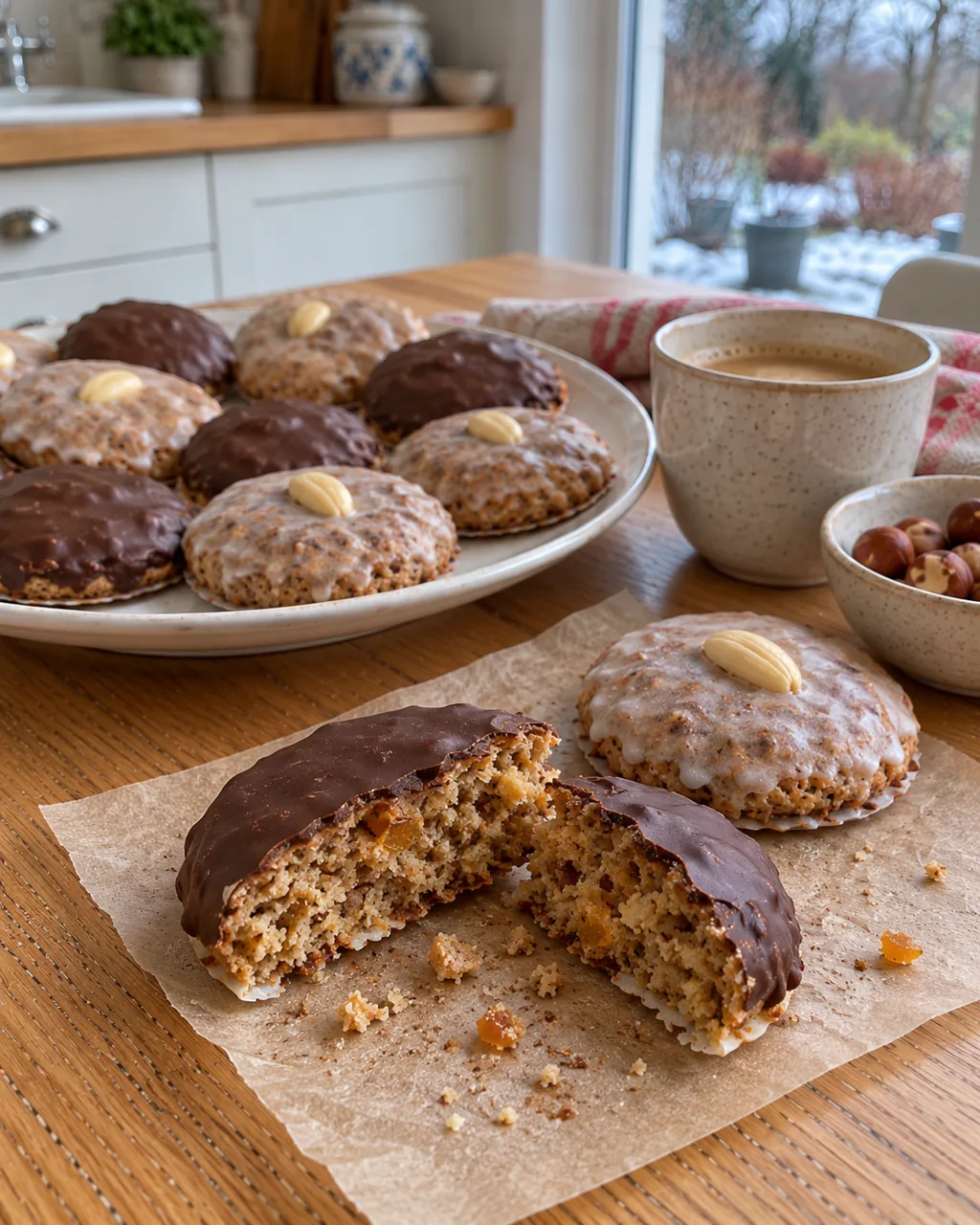
What makes an Elisenlebkuchen more nut than anything else
Not every gingerbread is allowed to call itself an Elisenlebkuchen. In Germany, the official guidelines for fine bakery products set out what has to go into one: at least a quarter of the mixture must be almonds, hazelnuts or walnuts, and flour may make up only a small share at most – in many recipes, this one included, it is left out altogether. That is exactly where their reputation as the finest of all the Lebkuchen comes from.
By way of comparison: a plain wafer gingerbread gets by with far fewer nuts, and brown Lebkuchen are baked from a firm dough of flour and honey that is rolled out and cut into shapes. Elisen are the very opposite: soft, gently domed and more a sweetmeat than a biscuit.
Nobody knows for certain where the name comes from. The story most often told is of a Nuremberg gingerbread baker who is said to have named his recipe after his daughter, Elisabeth. There's no proof of it, but it suits a bake that is still tied to Nuremberg today. "Nürnberger Lebkuchen", incidentally, is a protected designation of origin – which is why, baked at home, they are simply called Elisenlebkuchen.
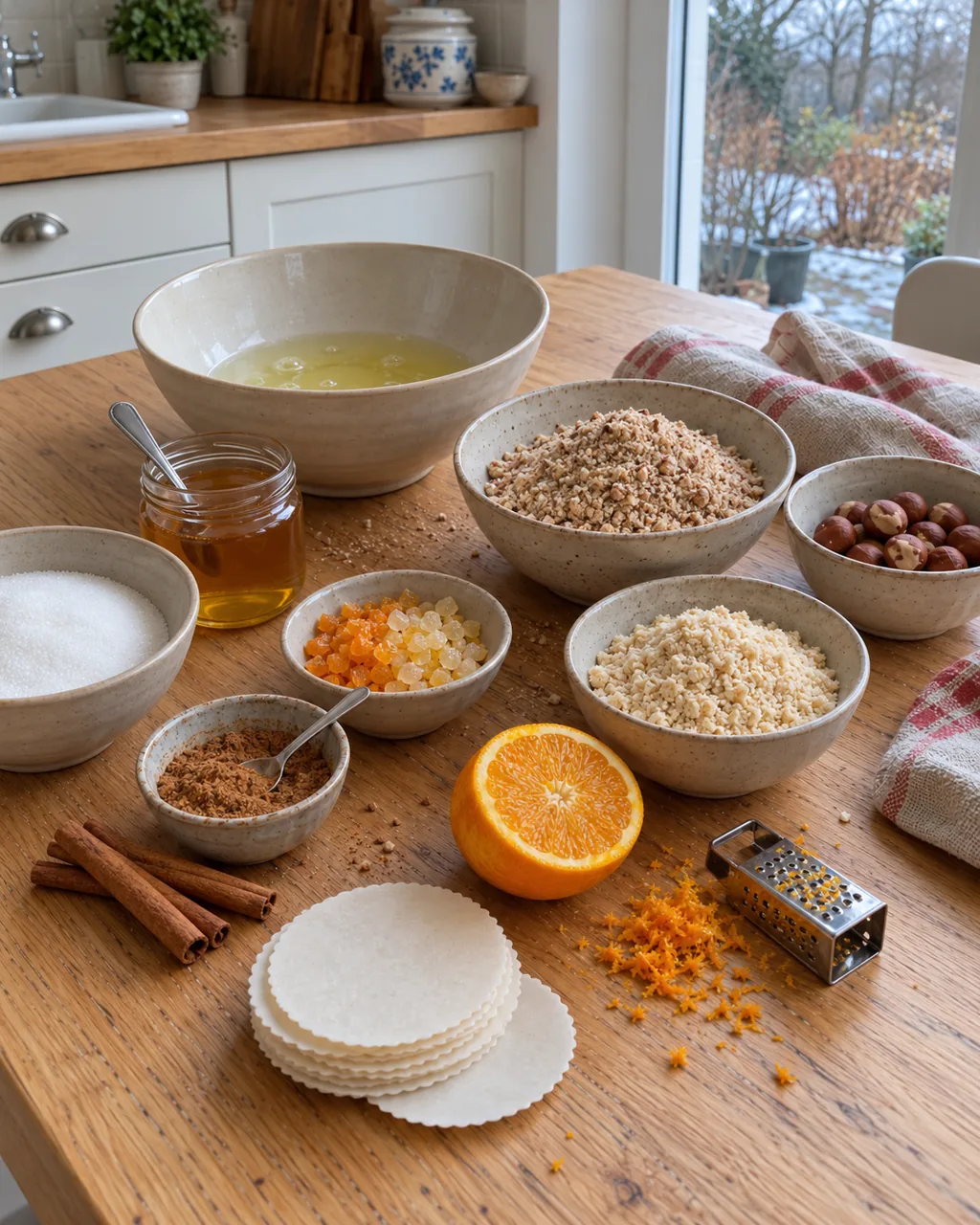
The ingredients and why every one of them counts
Nuts. They are the heart of the recipe. A mix of ground hazelnuts and almonds tastes the most rounded: the hazelnut brings the flavour, the almond the fine, moist texture. If you like, toast some of the hazelnuts briefly in a dry pan first – it deepens the taste, but the nuts must cool completely before you go on.
Egg whites. They are what makes the mixture light and holds it together. They're whisked until stiff with a pinch of salt, then the sugar is sprinkled in until you have a glossy, firm meringue. Whites straight from the fridge work well, provided they've come up to room temperature first; all that really matters is that the bowl and whisk are completely free of grease.
Candied orange and citron peel, and fresh zest. They give the gingerbread its gentle bitter note and the freshness it needs amid all those nuts. Chopped very finely, they spread evenly through the mixture. If you're not fond of candied fruit, use the grated zest of an unwaxed orange and an unwaxed lemon instead – the result is fresher and a touch less traditional, but thoroughly good.
Spices. Ready-mixed gingerbread spice – in Germany it's sold as Lebkuchengewürz – is the simplest route, as it already contains cinnamon, clove, allspice, coriander, cardamom and nutmeg in a well-balanced blend. A little extra cinnamon rounds it all off.
Wafers. The thin baking wafers, 7 centimetres across, are the base the mixture is baked on. They stop the soft mixture sticking to the tray or spreading out, and later they form the wafer-thin, slightly crisp finish underneath.
The recipe for about 20 pieces
Makes about 20 (wafers 7 cm across) · about 30 minutes to prepare, 1 to 2 hours to dry, 20 to 25 minutes to bake · 150 °C conventional or 140 °C fan
For the gingerbread
- 4 egg whites (from medium eggs, about 130 g in total)
- 1 pinch of salt
- 180 g caster sugar
- 1 tbsp honey (about 20 g)
- 200 g ground hazelnuts
- 150 g ground almonds
- 75 g candied orange peel, very finely chopped
- 50 g candied citron peel, very finely chopped
- finely grated zest of ½ unwaxed orange
- 2 tsp gingerbread spice (Lebkuchengewürz)
- ½ tsp ground cinnamon
- 20 round baking wafers (Oblaten, 7 cm across)
For coating
- 150 g dark couverture chocolate
- or: 120 g icing sugar with 2–3 tbsp lemon juice
- if you like: blanched almond halves
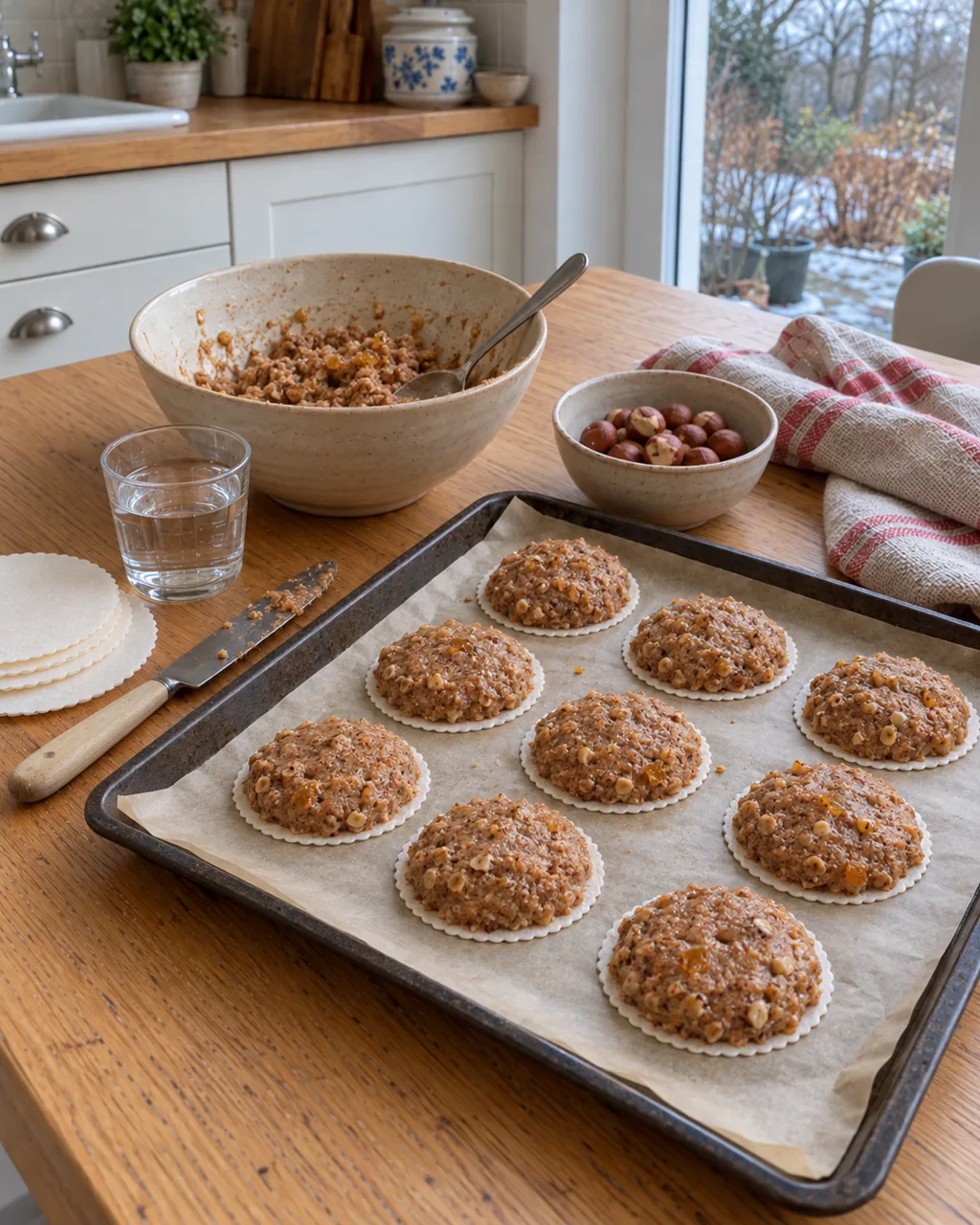
How it's done step by step
- Get everything ready. Chop the candied orange and citron peel very finely – a mini chopper is quickest, as both like to cling to the knife. In a bowl, mix the hazelnuts, almonds, candied peel, orange zest, gingerbread spice and cinnamon thoroughly. Line two baking trays with baking paper and lay the wafers out on them with a little space between each.
- Whisk the egg whites. Whisk the egg whites with the salt in a grease-free bowl until stiff. Add the sugar a little at a time and keep whisking until the mixture is firm and glossy and holds its peaks. Finally, stir in the honey briefly.
- Fold in the nuts. Fold the nut mixture into the meringue in two or three batches using a spatula – don't stir, fold gently so the mixture stays light. It will be thick and sticky afterwards, which is exactly as it should be.
- Spoon onto the wafers. Place a generous tablespoon of the mixture on each wafer and smooth it into a shallow dome about 1 to 1.5 cm high with a damp knife or damp fingers. Leave a narrow rim free all the way round, as the mixture spreads a little in the oven.
- Leave to dry. Leave the gingerbread at room temperature for 1 to 2 hours until a thin skin has formed on the surface. This way they crack less in the oven and get their typical smooth top. If you have time, you can leave them overnight.
- Bake. Preheat the oven to 150 °C conventional (140 °C fan). Bake the trays one after the other on the middle shelf for about 20 to 25 minutes. They are done when the surface is dry and lightly golden but the inside still gives softly when you press the edge gently with a finger. Better to take them out a few minutes too early than too late – they carry on firming as they cool.
- Cool. Slide the gingerbread off the tray on its baking paper and leave to cool completely. Only then are they coated.
- Coat. Chop the couverture and melt it slowly over a pan of barely simmering water. Brush it over the tops of the gingerbread or dip them in briefly, add an almond half if you like and leave to set. For the pale version, stir icing sugar and lemon juice into a thick icing and spread it on thinly. Many people like to coat half in chocolate and half in icing – then the tin holds two kinds.
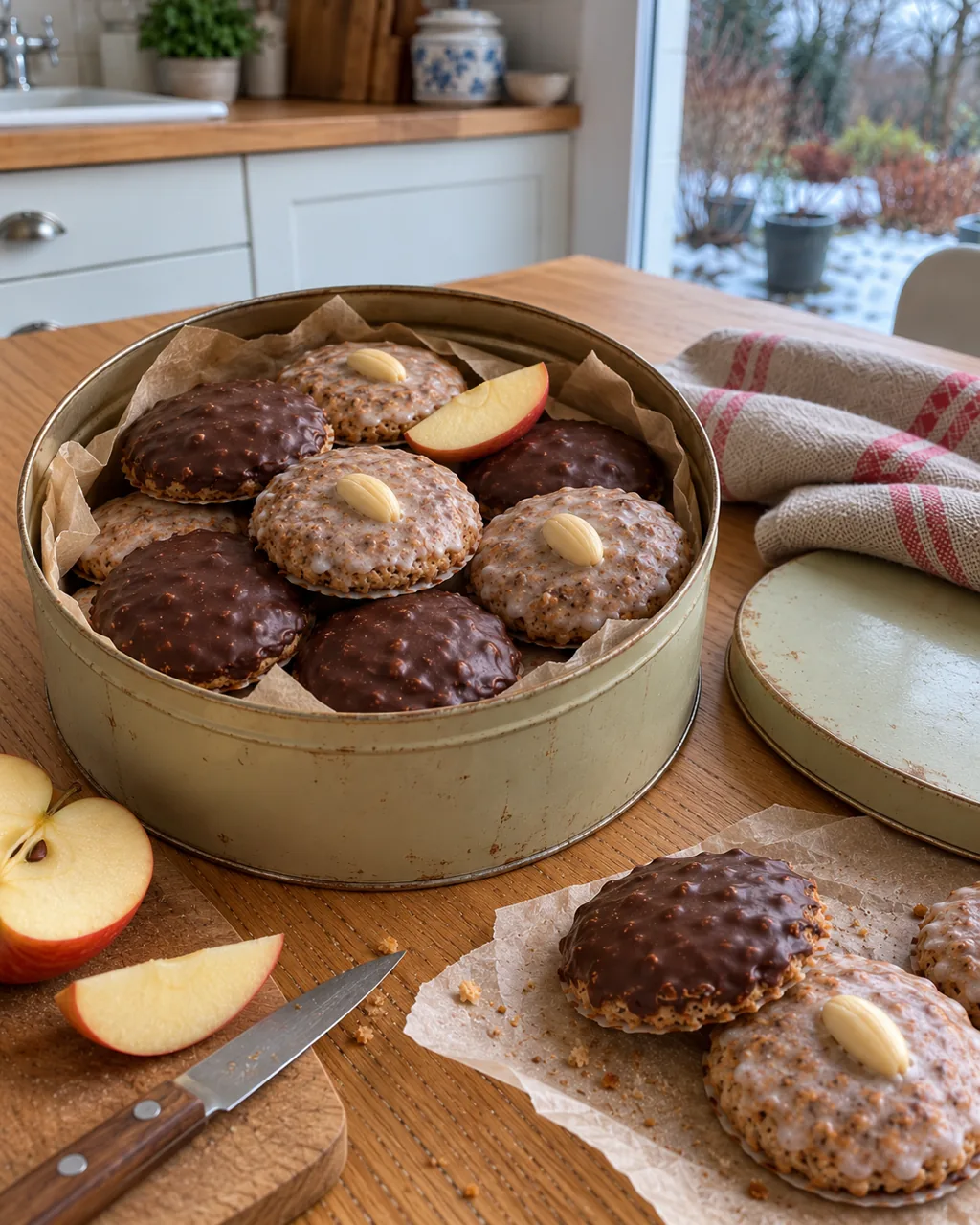
Keeping them moist the three things that matter most
Don't overbake them. The most common reason for dry gingerbread is too long in the oven. Elisen should still be soft inside when they come out – they firm up on their own as they cool.
Keep them airtight. Best of all in a tin with a well-fitting lid, in layers with baking paper between them. That way they keep for several weeks.
Add a piece of apple. An old trick: tuck a slice of apple or a strip of orange peel into the tin and replace it every few days. The moisture keeps the gingerbread soft. The only thing that matters is swapping the fruit regularly so that it doesn't go mouldy.
Many recipes suggest leaving Elisenlebkuchen to rest for a few days, or up to a week, before you cut into them. By then the spices have mellowed together and the flavour is rounder. They taste lovely fresh all the same – it's more a question of patience than a rule.
When to bake them their place in your Advent plan
Elisenlebkuchen are among the bakes you can happily make early. If you start your Christmas baking in November, they're the best place to begin: they keep for weeks, improve with resting and are ready just as Advent arrives.
A practical order for a baking weekend looks like this: on Saturday, the biscuits with plenty of egg yolk and butter; on Sunday, the Elisenlebkuchen. Any yolks left over are easily used up in shortcrust pastry. The quark stollen is better baked shortly before the holidays, as it doesn't keep as long as a classic yeasted stollen.
Variations if you'd like them a little different
With walnuts. Some of the hazelnuts can be replaced with coarsely ground walnuts. The gingerbread then becomes a little more bitter-edged and fuller in flavour.
Without candied fruit. Leave out the candied orange and citron peel entirely and use the zest of a whole unwaxed orange and an unwaxed lemon instead. The mixture becomes a little softer, so it's best to add a few grams more ground almonds.
With marzipan. 50 g of marzipan, finely crumbled and mixed with the candied peel, makes the gingerbread even moister and milder.
Small ones for the biscuit tin. With wafers 5 cm across you'll get roughly twice as many little gingerbreads. The baking time then shortens to about 15 minutes.
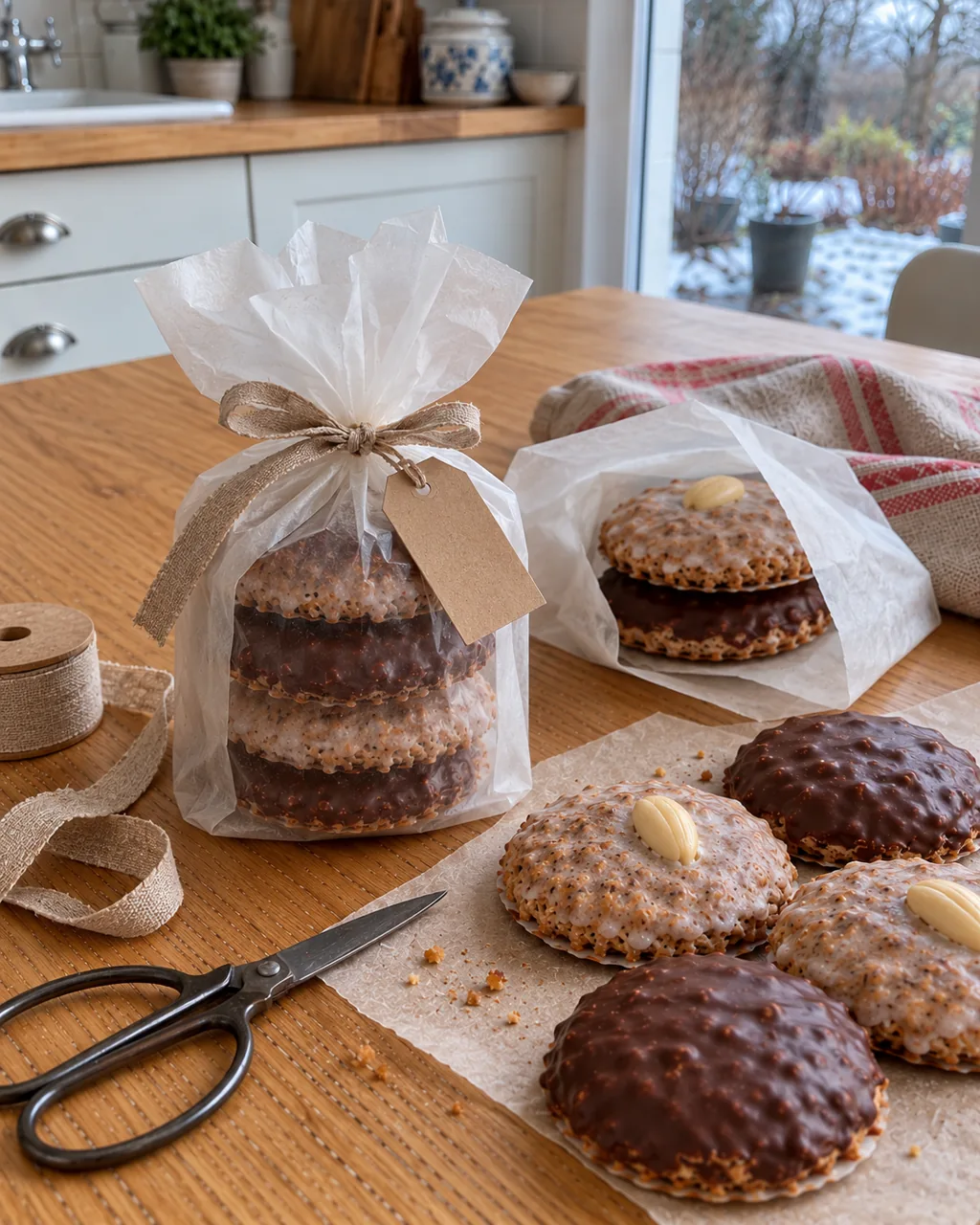
To give away in glassine and linen
Elisenlebkuchen are made for giving: they're sturdy, they keep well and they look festive even without much wrapping. Three or four stacked on top of one another, wrapped in baking paper or a glassine bag and tied with a linen ribbon, make a little present almost anyone will be glad of. If you like, write the kind on a small tag – chocolate or icing.
One note belongs with them: Elisenlebkuchen are made largely of nuts. If any of your guests or the people you're giving them to have a nut allergy, be sure to say so on the tag.
Goes well with for the Advent plate
On the Advent plate, Elisenlebkuchen like to sit beside the classics from the biscuit tin: Christmas biscuits – four classics with a baking plan (in German). Hazelnut macaroons (in German) and spiced spekulatius (in German) go nicely with them too. For the holidays themselves there's quark stollen without yeast. And if you'd like to sew something for the tree while the gingerbread rests, you'll find eight quiet shapes in Sewing linen Christmas ornaments – or set the scene with a linen Christmas cushion with a fir tree. How to lay the table for the holidays in a calm, atmospheric way is in my post on setting a country-style Christmas table (in German).
Frequently asked questions answered short & clear
What is the difference between Elisenlebkuchen and ordinary Lebkuchen?
Elisenlebkuchen are at least a quarter nuts and contain little or no flour. They are soft and moist and are baked on edible wafers. Brown Lebkuchen, on the other hand, are made from a firm dough of flour and honey that is rolled out and cut into shapes.
Can I bake Elisenlebkuchen without wafers?
Yes, but the soft mixture spreads more easily and is more likely to stick to the paper. Spoon it into small, rather tall mounds on baking paper and let them dry especially well before baking.
Why has my gingerbread gone hard?
Usually they were in the oven for too long. They should still be soft inside when you take them out. If they have already gone hard, a slice of apple in the tin helps: after a few days they soften again.
How long do Elisenlebkuchen keep?
Several weeks in a tightly closing tin, stored somewhere cool and dry. With a slice of apple that you replace regularly, they stay soft all the while.
Can I freeze egg whites until I bake gingerbread?
Yes. Egg whites freeze well, ideally in portions and labelled. Thaw them in the fridge and let them come up to room temperature before whisking.
Are Elisenlebkuchen gluten-free?
The mixture itself contains no flour in this recipe. The wafers, however, are usually made from wheat flour. If you need to bake gluten-free, leave them out or look specifically for gluten-free wafers, and check the other ingredients too.
A fragrant Advent to you – Jona
Free for you · Newsletter
A linen starfor your tree
Sign up for my letter and the pattern for my linen star is yours as a gift – a full-size PDF with instructions, sewn in a single evening. After that I'll write to you a few times a year about new posts, seasonal decorating and sewing patterns. You can unsubscribe at any time with a single click.

About the author
Jona · Villa Bloom & Co.
I write about country style, the garden, sewing and cosy living. What I sew, bake and do in the garden myself, I describe from my own experience. Much of what you'll find here is inspiration – ideas I find beautiful and love to pass on. Some of the mood images were created with the help of AI. More about me →